
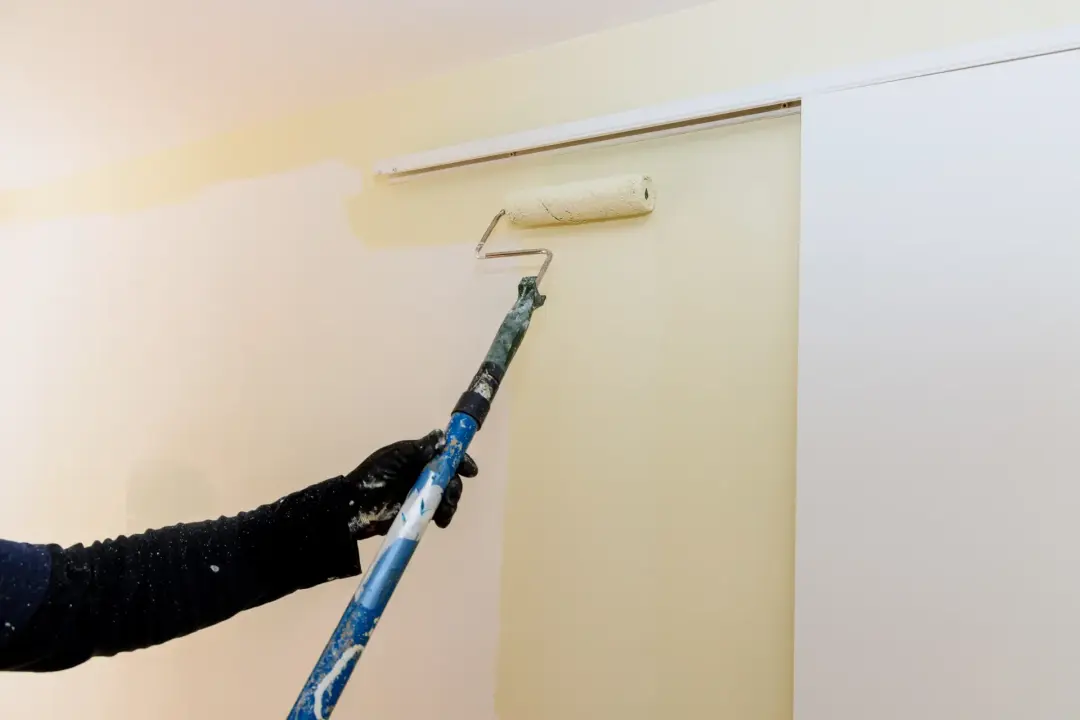
Painting new plaster requires careful preparation to achieve a smooth and lasting finish. The plaster must be fully dry, clean and sealed before the finishing paint can be applied. This guide explains each stage, including preparing the surface, mixing and applying a mist coat, checking for defects and caring for the newly painted wall.
Why New Plaster Needs Special Preparation
New plaster needs to be prepped carefully because it often contains a lot of moisture, and applying paint before it has fully dried can trap this moisture beneath the coating. This can cause the paint to peel, blister, crack or develop an uneven finish.
Fresh plaster will usually change from a dark colour to a much lighter shade as it dries, and once it's completely dry, the surface should be checked for dust, rough areas and small marks. Light sanding can also be done to create a smooth finish.
Applying standard paint directly onto the bare plaster can lead to poor results since the porous surface might absorb moisture from the paint too quickly; therefore, a mist coat is normally applied first to create a stable base.
Proper preparation helps the final coats of paint bond evenly to the wall, and it also reduces patchiness and visible roller marks.
How Long Should New Plaster Dry Before Painting?
On average, a thin plaster coat can take around four to seven days to dry under normal conditions, whereas thicker plaster, or plaster that's been applied over masonry, can take two to four weeks to dry.
Your drying time depends on the thickness of the plaster, your room's temperature, airflow, humidity and the condition of the wall beneath it. Cold or damp rooms usually slow down the drying process, but gentle ventilation and steady heating can help. However, strong or direct heat should be avoided because it can cause the plaster to dry too quickly and crack.
Check That the Plaster Is Fully Dry
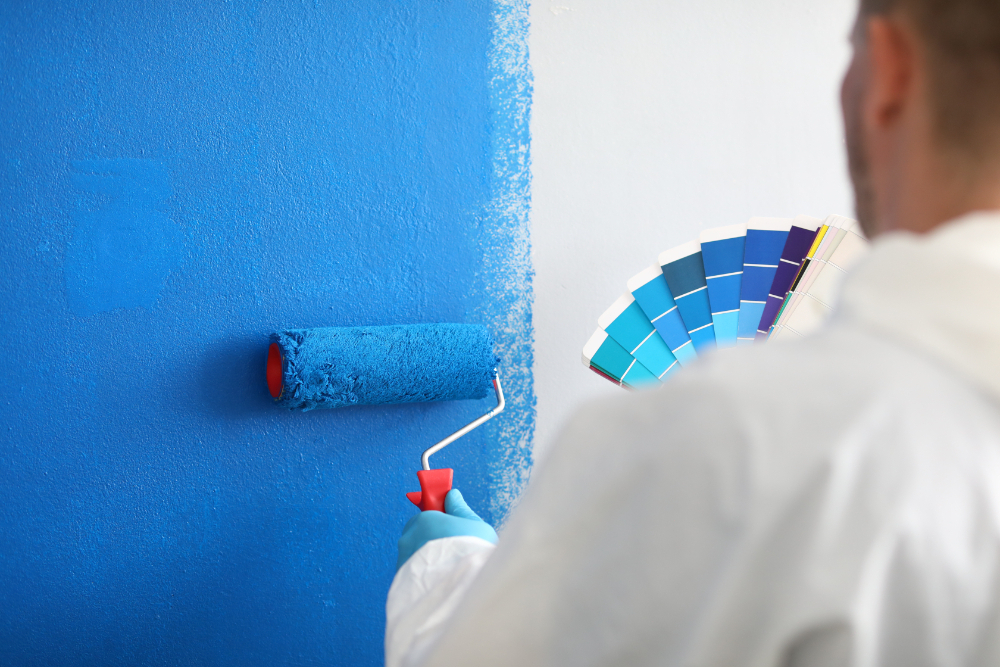
Before you start painting, it's important to check that the plaster has changed from a dark pink or brown colour to a pale, even shade.
Dark patches on the plaster are usually a sign that moisture is still present, and it's crucial to pay close attention to the corners, areas near the floor or thicker sections, since these areas often take longer to dry.
The surface should also feel dry, and it should not feel cold, damp or soft. It's also best to check the wall in natural daylight since any uneven colour can be harder to see under artificial lighting.
Gather The Right Tools And Materials
Using the wrong tools or products can lead to issues like poor coverage, visible marks or poorly-bonded paint. You will need suitable water-based matt emulsion paint for the mist coat, along with clean water for thinning it out. You will also need finishing paint once the mist coat has dried.
The main tools you'll need are a paint roller, a roller tray, an extension pole and brushes for cutting in around the edges, corners, sockets and fittings. Having a clean bucket and mixing stick on hand can also help you prepare the mist coat evenly. Fine sandpaper may also be needed to smooth down any raised areas, and you'll need a soft brush or a clean cloth to remove excess dust.
Protect Floors, Skirting Boards And Fittings
Protecting the floor, skirting boards and fittings is an important part of painting new plaster. This is because mist coats are thinner than standard paint, which means they can drip or splash onto and stain the nearby surfaces.
In this case, you should cover the floor with clean dust sheets or protective sheeting before the work begins. You can use masking tape to secure the edges and stop the cover from moving.
The skirting boards, door frames and window frames should also be covered or carefully taped to create clean paint lines and any socket or switch covers should be removed or protected with masking tape.
Sand The Surface For A Smooth Finish
Sanding new plaster can help remove small bumps, rough patches, trowel marks and other minor defects. This helps create a smoother base and helps the mist coat and finishing paint look more even.
If you don't sand the plaster, raised areas can remain visible even after the wall has been painted - especially when light hits the surface and makes them noticeable. The plaster must be fully dry before you can sand it, and you must use fine-grade sandpaper or a fine sanding block and work gently over the affected areas.
Do not apply heavy pressure when you're sanding since this can damage the plaster or create low spots. You should only focus on sanding any visible imperfections when you're sanding rather than the entire wall, and after you've finished, you should remove any excess dust with a soft brush, vacuum or cloth. This is because any dust left on the surface can stop the paint from bonding correctly.
What Is A Mist Coat?
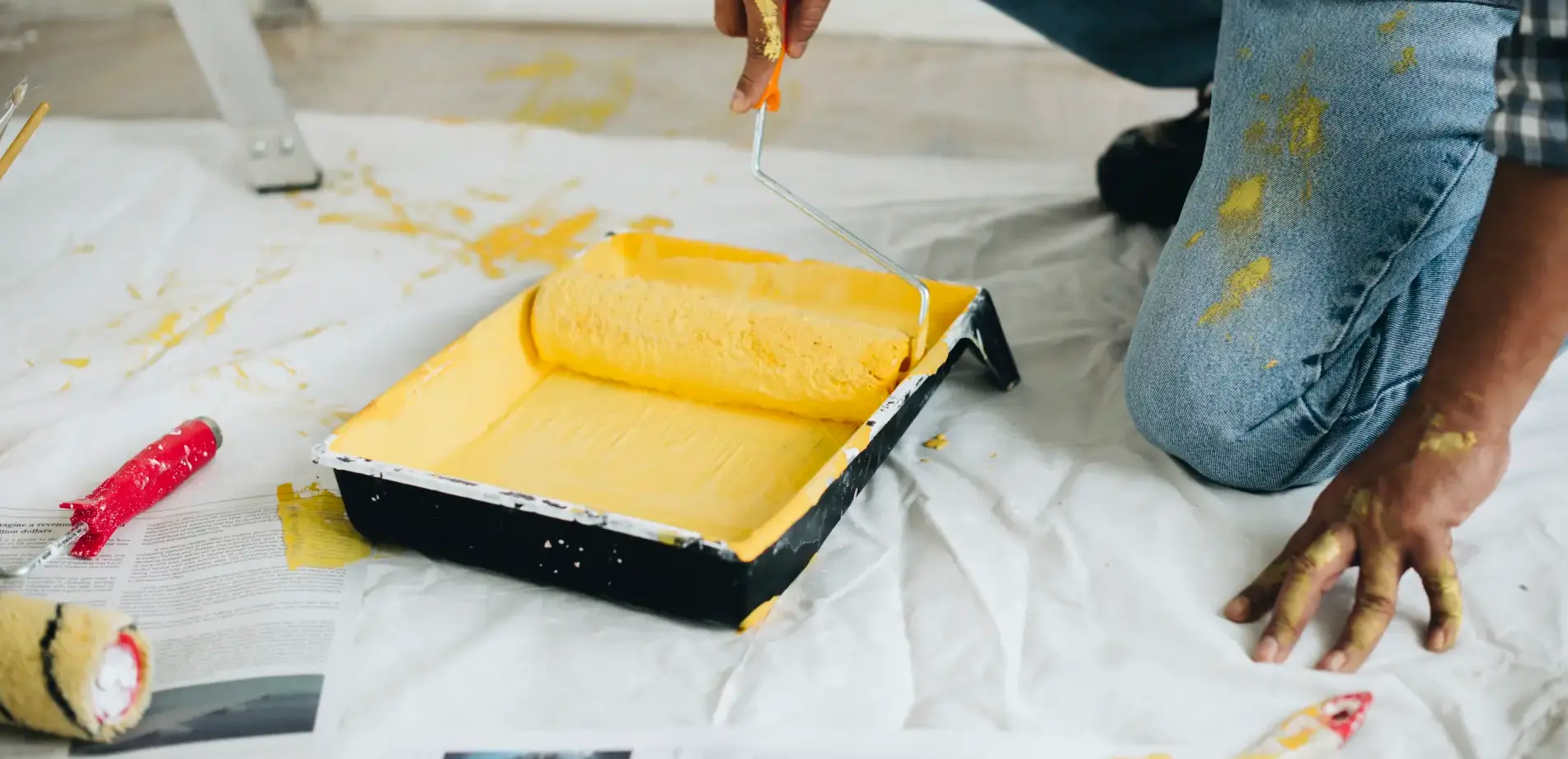
A mist coat is the first layer of paint that's applied to dry plaster. It is usually made by thinning a suitable water-based matt emulsion with clean water. However, the correct mixing ratio depends on the paint product you're using, so the maker’s instructions should always be followed.
New plaster is highly porous, and it can absorb moisture from standard paint very quickly. If thick paint is applied directly, it can sit on the surface instead of bonding properly, which can cause issues like peeling, flaking, patchy coverage or an uneven finish.
The mist coat soaks into the plaster and helps seal the surface, creating a stable base for the main coats of paint.
How To Mix A Mist Coat
A mist coat is made by mixing suitable water-based matt emulsion paint with clean water. The paint must be used for new plaster only, and vinyl paint should be avoided for the first coat since it may not soak into the surface correctly.
Always check the paint maker’s instructions before mixing since different products require different amounts of water. A common mixture may contain around three parts paint to one part water, but some paints may need more or less dilution - never rely on one mixing ratio for every product.
Pour the required amount of paint into a clean bucket and add the water gradually, then stir the mixture thoroughly with a clean mixing stick. Continue stirring until the paint and water are fully combined, and the consistency is even. The finished mixture should be thin enough to soak into the dry plaster but not so watery that it runs down the wall.
How To Apply The Mist Coat
Before applying a mist coat, make sure the plaster is fully dry, clean and free from dust. Then, mix a suitable water-based matt emulsion with clean water, following the paint maker’s instructions. Stir the mixture thoroughly, so it has an even consistency and use a brush to apply the mist coat around the corners, ceiling edges, skirting boards and fittings.
Then use a roller to cover the larger areas of the wall. It's best to work in small sections and spread the paint evenly using light, steady pressure. Avoid applying a thick layer of the mist coat, since it needs to soak into the plaster rather than form a heavy coat on the surface. You also need to check the mist coat for any signs of dibbling and spread it out before letting the coat dry.
Check The Surface Before Adding Paint
Before you add paint, it's important to check that the surface is dry and has an even, pale colour with no dark patches. You can run your hand gently over the wall to look for bumps, rough areas, cracks or loose plaster - which can all be smoothed down with fine sandpaper.
Any cracks, dents or holes should be filled with a suitable filler, left to dry and then sanded down so that the surface is level.
After a mist coat has been applied, inspect it for missed sections, dribbles or remaining imperfections. These checks are important because paint can highlight surface defects, and a clean, dry and smooth wall can help the paint bond evenly.
How To Care For Newly Painted Plaster
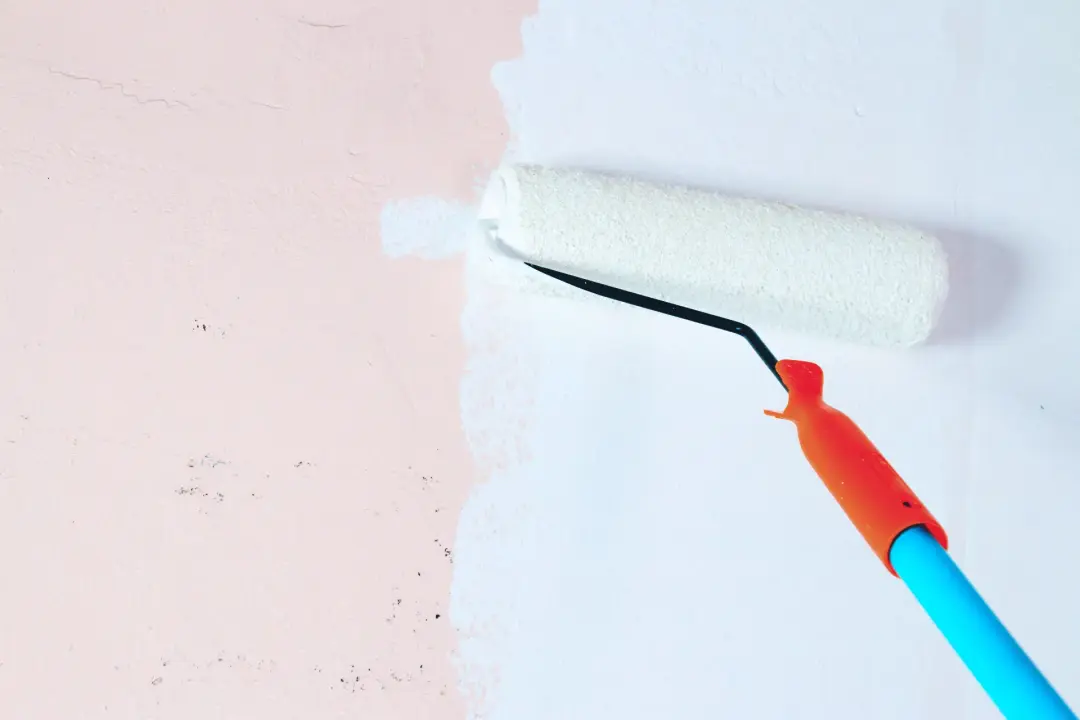
Newly painted plaster needs time to dry and harden properly. You should avoid touching, cleaning or placing furniture against the wall until the paint has fully dried.
It's important to keep the room well-ventilated and avoid strong draughts or sudden changes in temperature. This is because gentle gusts of air help the moisture leave the paint evenly. Additionally, do not expose the wall to high humidity, steam or water during the drying period.
Once the paint has hardened, any light marks can be wiped off with a soft, damp cloth if the paint is washable.
Painters & Decorators Stockport
Bill McShannon Painter & Decorator can prepare new or existing plaster walls before applying suitable paint products. From surface repairs and sanding to mist coats and finishing coats, every stage is completed with care to create an even, attractive finish.Contact us today for painting over plaster in Stockport, Poynton, Macclesfield, and surrounding areas.
