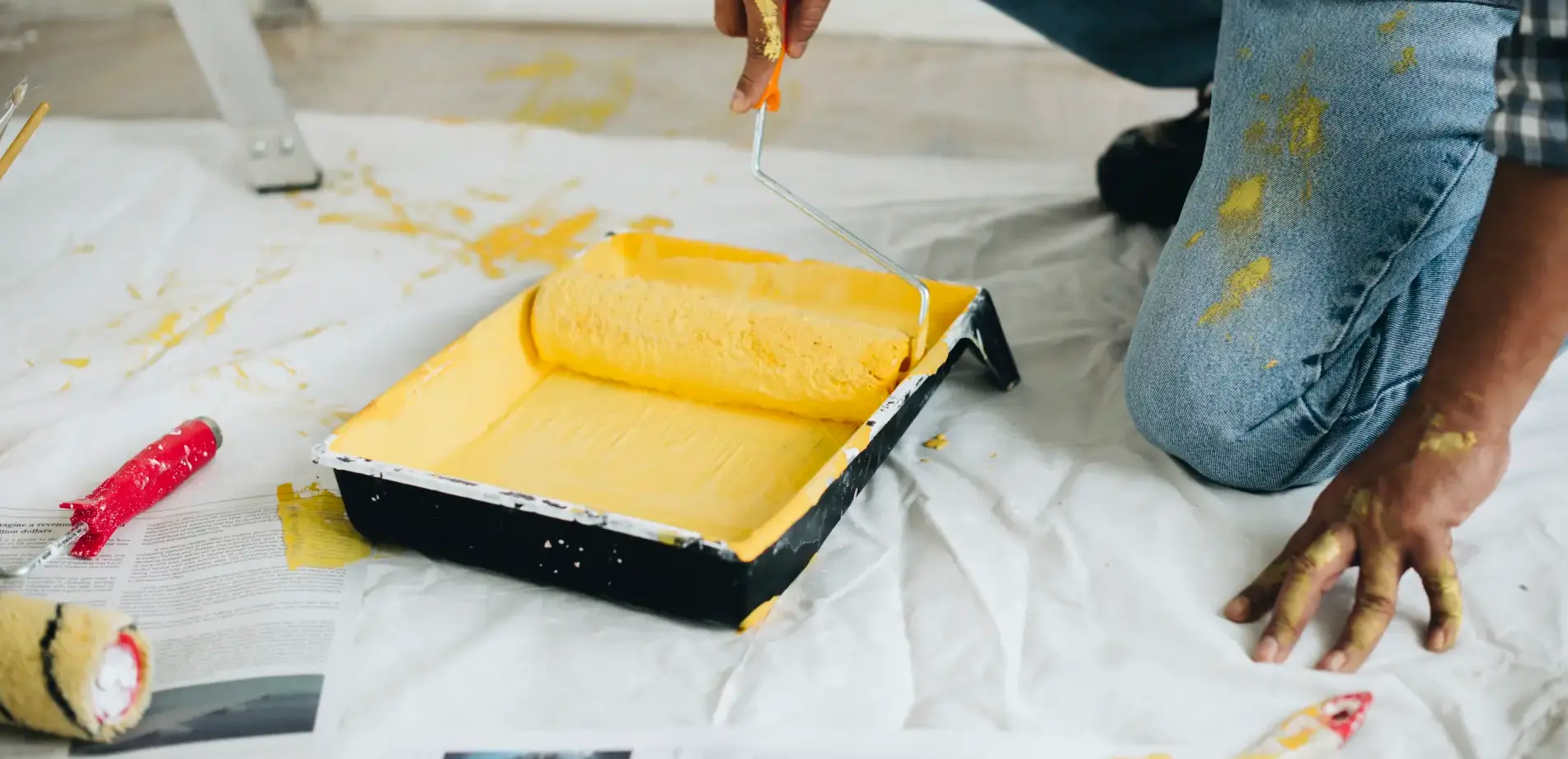
Discover common mistakes to avoid when painting and decorating. Learn how quality tools, surface prep, and patience ensure a professional, lasting finish.
Using Low-Quality Paint or Tools
One big mistake people tend to make when painting and decorating is the use of low-quality paints and tools. Cheaper products usually seem like a good way to save money, but they often lead to disappointing results. Poor-quality paint may not cover evenly, leaving patchy areas that require extra coats. It can also fade, peel, or chip much faster, meaning you will have to repaint sooner than expected.
The same applies to tools such as brushes, rollers, and tape. Poor-quality brushes often shed bristles onto the walls, which can stick and remain for years, whereas cheap rollers can also leave streaks or uneven textures. Poor tape usually fails to stick properly, causing paint to bleed through and spoil clean edges. These issues not only affect the look of the finish but also make the job more time-consuming and frustrating.
Decorators will always invest in the best possible paints and tools for the job to achieve smoother, longer-lasting results with less effort. The right materials allow for completely even coverage, sharper lines, and a finish that stands up to daily wear. In the long run, using better products saves both time and money, as you avoid repeated repairs or repainting.
Ignoring the Importance of Primer and Surface Prep
A frequent mistake in painting and decorating is ignoring the importance of primer and proper surface preparation. Many people are tempted to skip these steps to save time, but doing so often leads to poor and short-lived results. Without any preparation, paint will struggle to stick to the surface, which can cause peeling, cracking, or uneven coverage.
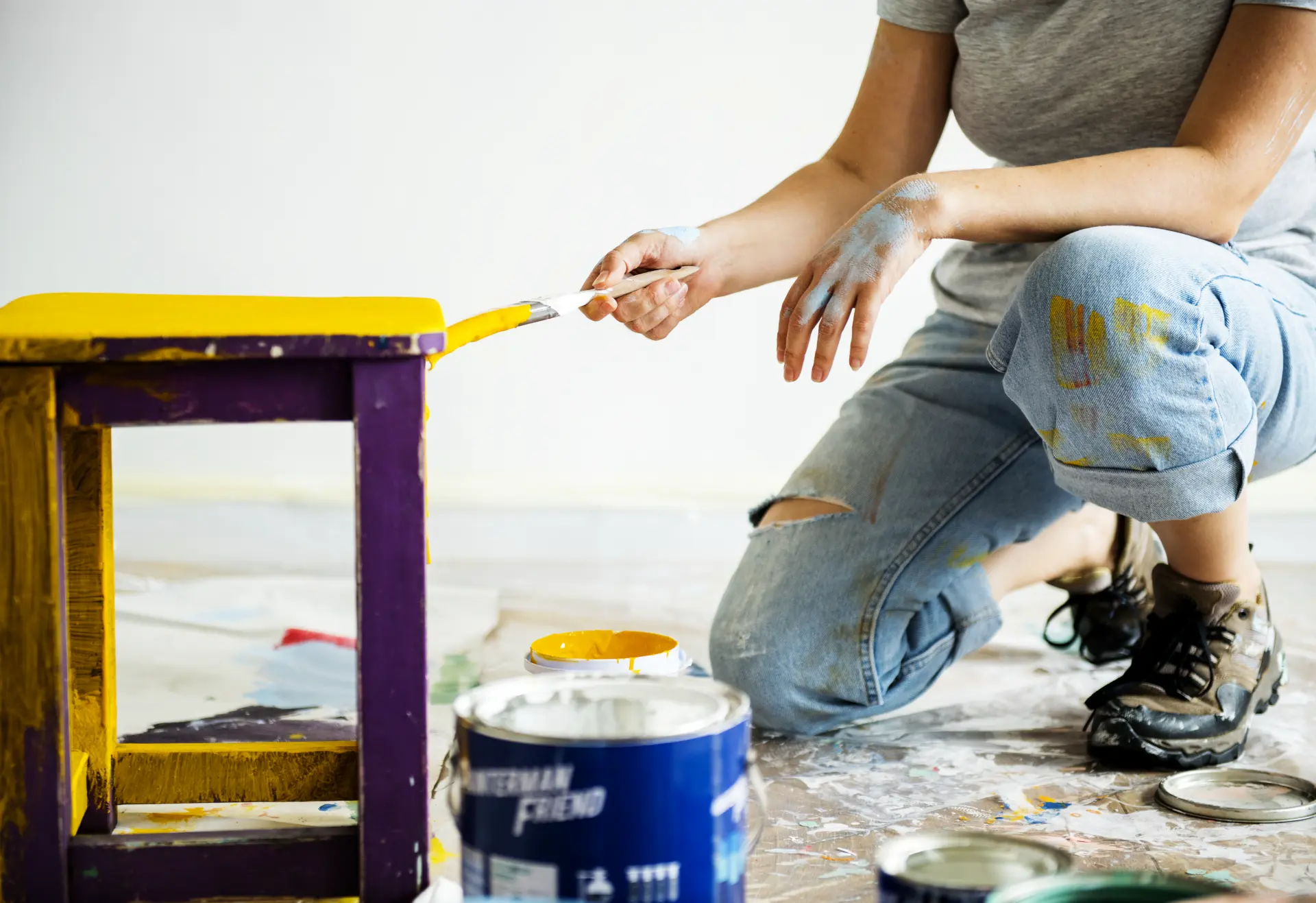
Surface preparation usually involves cleaning, sanding, and filling any visible cracks or holes that may exist on your walls. This creates a smooth and stable base for the paint to adhere to.
Primer is equally as important, as it seals the surface, improves adhesion, and improves the true colour of the paint. In some cases, such as when painting over dark shades or on new plaster, primer is essential for achieving a professional finish.
By taking the time to prepare surfaces properly and use primer where needed, you ensure that the paint goes on smoothly and lasts much longer. Skipping this stage may seem like a shortcut, but it almost always leads to extra work and added costs in the future.
Choosing the Wrong Colour or Finish
Another common mistake in painting and decorating is choosing the wrong colour or finish. A colour that looks appealing on a paint chart or on the tin, but can look very different once applied to a wall, especially under different lighting conditions. Without careful thought, the final result may clash with furniture, make a room feel smaller, or create an atmosphere that does not suit the space.
The finish is just as important as the colour. For example, a matte finish can hide minor wall imperfections but may mark easily, making it less suitable for busy areas like hallways. On the other hand, a gloss finish is strong and a lot easier to clean, but can often highlight flaws in the surface. Choosing the wrong finish can reduce both the practicality and the overall appearance of a room.
Testing paint samples on the wall and viewing them at different times of the day is a simple way to avoid these issues. Seeking advice from professionals can also help ensure that both the colour and finish match the purpose and style of the space. Careful planning at this stage prevents costly and time-consuming mistakes later.
Rushing the Job
One of the biggest mistakes in painting and decorating is rushing the job. Many people want to see quick results and skip important steps, such as cleaning surfaces, allowing primer to dry, or applying enough coats of paint. Whereas this might save time at first, it often leads to a poor finish that needs redoing.
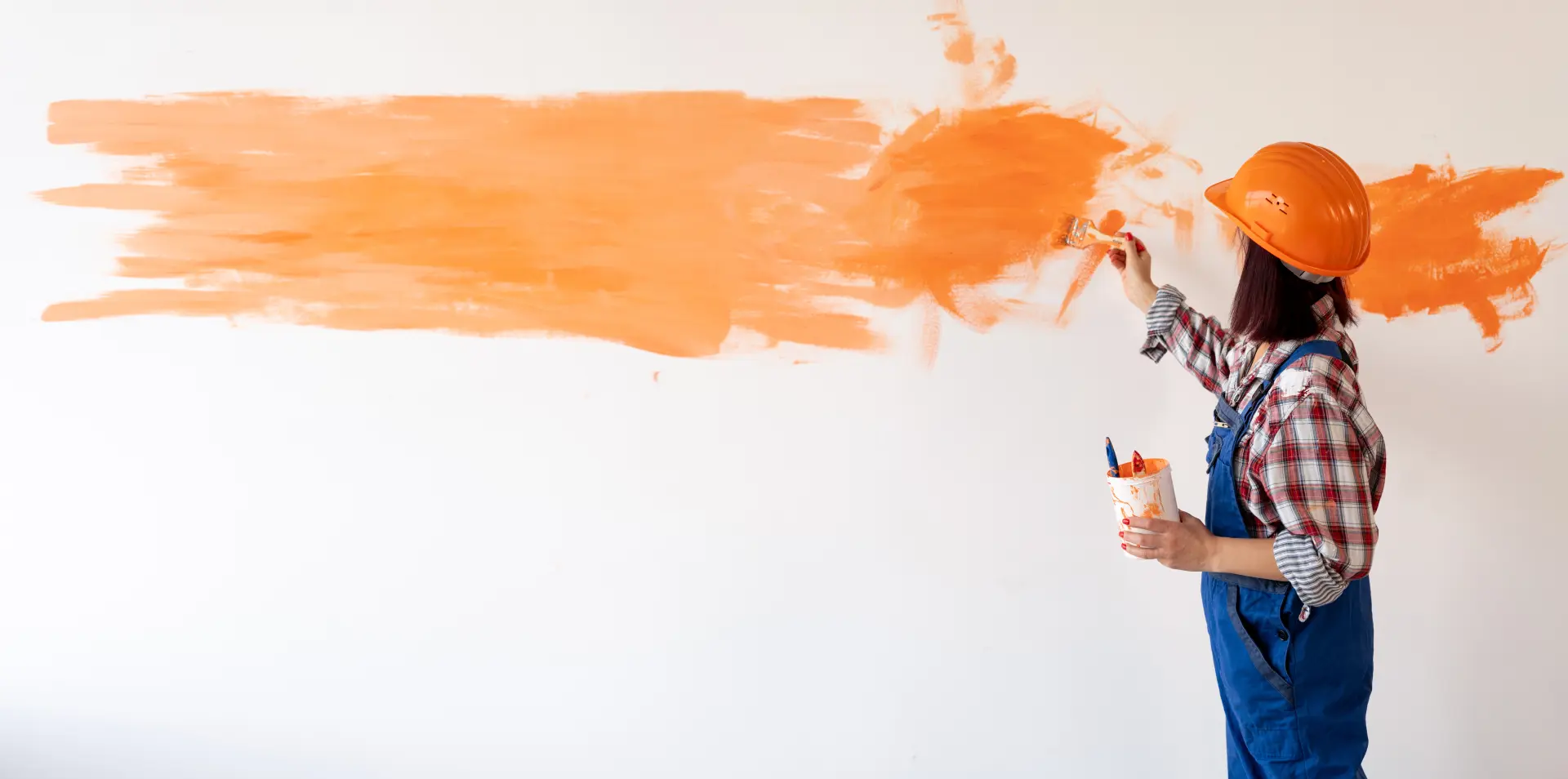
Paint needs proper drying time between coats to achieve even coverage and durability. When applying the next coat, you must make sure not to do it too soon, as it can cause streaks, peeling, or patchy areas. Similarly, skipping careful cutting-in or rushing through corners and edges often results in messy lines that spoil the overall look.
Taking your time allows you to make sure every stage is completed correctly, from preparation to the final coat. Professional painters and decorators understand that there is value in patience and precision, which is why their results often last longer and look far more polished. Slowing down the process may feel inconvenient, but it will save you plenty of expense and effort in the long run.
Neglecting Final Touches and Clean-Up
A mistake that is often overlooked in painting and decorating is neglecting the final touches and clean-up. Even if the main painting work is done well, unfinished details can spoil the overall effect. Missed spots, uneven edges, or paint splashes on skirting boards and fittings can make a room look untidy and unprofessional.
Clean-up is just as important as the painting itself. Leaving dust, paint drips, or tools scattered around the area results in a huge, unnecessary mess, but it also damages your walls and surfaces, and can even cause accidents if you're not too careful.
Proper clean-up will always include removing protective coverings, wiping down surfaces, and safely storing or disposing of materials. Pay close attention to these finishing details to make sure the space looks polished and complete. It also leaves the room ready to use and enjoy straight away. Skipping this stage may seem minor, but it can undo the effort put into the job and tarnish the quality of the final results.
Painters & Decorators Macclesfield
Bill McShannon Painter & Decorator provides professional interior painting and decorating services in Macclesfield and the surrounding areas. We apply our skill and expertise to give you a smooth, lasting finish that suits your style.